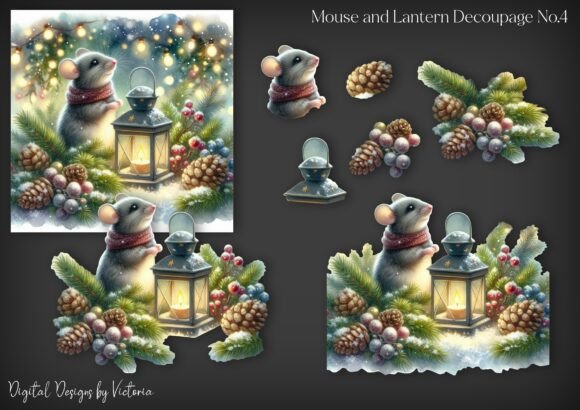
Reviewing Mouse and Lantern Decoupage No.4 for Real Projects
As a designer who has spent years translating digital concepts into tangible thread, I approach every new machine embroidery design with a mix of curiosity and skepticism. We have all seen files that look stunning on a screen but turn into a tangled mess of bird nests on the fabric. When I first loaded Mouse and Lantern Decoupage No.4 into my software, I was not just looking at pixels; I was visualizing the final finished product. This is not merely a decorative graphic; it is a potential asset for your craft business, provided you understand its nuances before hitting the start button.
First Impressions: Mood and Visual Personality
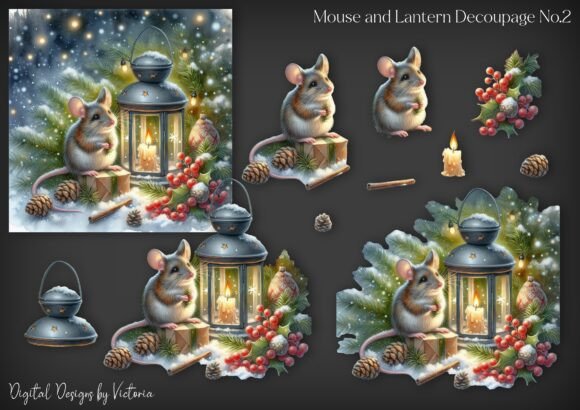
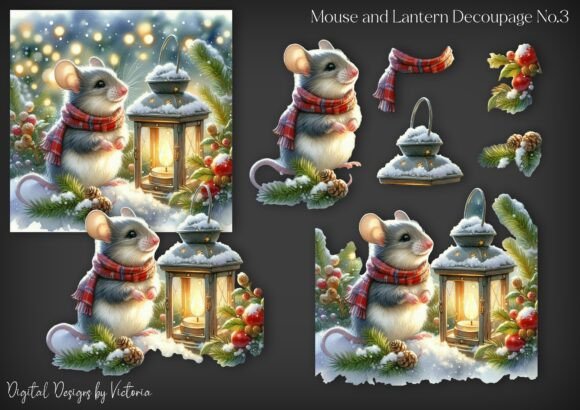
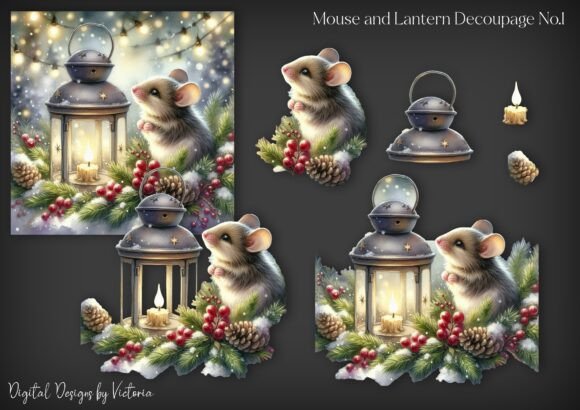
The immediate appeal of Mouse and Lantern Decoupage No.4 lies in its whimsical yet cozy aesthetic. The combination of a curious mouse and a glowing lantern creates a narrative that feels both nostalgic and modern. For those of us in the Crafts industry, mood is everything. This design does not scream for attention with aggressive colors or chaotic lines. Instead, it invites the viewer in with a sense of quiet charm. The layout suggests a balance between negative space and detailed stitching, which is crucial for maintaining clarity once the needle hits the fabric.
From a design perspective, the theme fits seamlessly into several trending categories. It works beautifully for holiday embroidery, particularly for autumn or winter collections, but its gentle nature also makes it suitable for year-round nursery decor or storybook-inspired apparel. The visual personality is soft, making it an excellent candidate for items meant to evoke comfort and warmth.
Real-World Application: Where This Design Shines
To truly evaluate an embroidery file, we must move beyond the monitor and imagine it in a real-life scenario. Recently, I was preparing a custom order for a boutique client who wanted unique tote bag design options for their fall collection. I considered Mouse and Lantern Decoupage No.4 for a heavy canvas tote. The result was striking. The lantern’s glow, achieved through careful color blending, stood out against the natural beige fabric, while the mouse provided a focal point that drew the eye without overwhelming the bag’s utility.
Beyond totes, this design has significant potential for sweatshirt embroidery. Placed on the left chest or as a larger back piece, it adds a touch of personality to otherwise plain garments. For Etsy sellers and small shop product creators, this versatility is key. You can market it as part of a "Cozy Nights" collection, pairing it with mugs or blankets. It also translates well to embroidered patch formats, allowing customers to add the motif to jackets or hats later, increasing the perceived value of your handmade product.
For those focusing on baby embroidery, the gentle lines of the mouse make it appropriate for onesies or bibs, provided the scale is adjusted correctly. The lantern element adds a magical quality that parents often seek for personalized gift items. However, always consider the end-user. A baby item needs to be soft and durable, which brings us to technical considerations.
Technical Performance and Stitching Clarity
When reviewing any digital embroidery file, stitch density is a primary concern. Mouse and Lantern Decoupage No.4 appears to use a mix of fill stitch for the lantern’s body and potentially satin stitch for finer details like the mouse’s whiskers or the lantern’s handle. This combination is effective for creating texture contrast. However, dense areas require attention. If the lantern features heavy saturation, ensure your stabilizer is up to the task. A cut-away stabilizer is often safer for garments that will undergo frequent washing, such as custom apparel or kitchen towels.
The clarity of small details is another critical factor. In decoupage-style designs, layering is common. You must verify that the overlapping elements do not create bulk that distorts the fabric. Test the design on scrap fabric first, ideally using the same thread colors and material you plan to use for the final product. Check how the running stitch outlines hold up against the fill areas. If the details blur together, you may need to adjust the pull compensation or simplify the color palette.
Fabric Considerations and Limitations
Not every fabric is a friend to intricate embroidery. Mouse and Lantern Decoupage No.4 performs best on stable, medium-weight fabrics like cotton twill, denim, or canvas. When working with textured fabrics like terry cloth or fleece, the fine details of the mouse might get lost. In such cases, consider adding a backing or using a heavier weight stabilizer to keep the stitches from sinking into the pile.
Stretchy fabrics present another challenge. If you are applying this design to a t-shirt or a fitted cap, the curvature and stretch can distort the image. For curved surfaces like caps, ensure you are using a cap frame and appropriate stabilizers to prevent puckering. Dark fabrics can also mute the vibrancy of the lantern. Always test your thread color contrast on dark backgrounds. You might need to add an underlay or choose brighter thread shades to ensure the design pops.
Be cautious with thin or delicate fabrics. The density of the lantern could cause tearing or excessive stiffness. If you are creating high-end boutique branding items on silk or lightweight linen, consider scaling down the design or using it as a smaller accent rather than a central feature.
Commercial Viability and Brand Consistency
For commercial embroidery professionals and digital product sellers, the value of Mouse and Lantern Decoupage No.4 extends beyond aesthetics. It offers a unique visual asset that can help differentiate your brand. In a market saturated with generic motifs, a well-executed decoupage style stands out. It signals professionalism and attention to detail, which builds customer trust.
When creating printable mockup previews for your online store, ensure the lighting highlights the texture of the stitches. Show the design on various products—aprons, pillow covers, and tea towels—to demonstrate its versatility. This helps buyers visualize the embroidery project in their own homes. Remember, buyer engagement increases when they can see the practical application of the design.
Final Designer Notes
Before integrating Mouse and Lantern Decoupage No.4 into your workflow, take these practical steps:
- Check Licensing: Confirm whether the license allows for commercial use if you plan to sell finished product items or design assets.
- Test Hoop Size: Ensure the design fits within your machine’s maximum hoop size without requiring re-hooping, which can lead to alignment issues.
- Inspect Details: Zoom in on the digital file to check for stray stitches or overly complex paths that might cause thread breaks.
- Color Testing: Run a test on both light and dark fabrics to determine the optimal thread palette for contrast and visibility.
- Stabilizer Choice: Match your stabilizer to the fabric weight and the design’s density to prevent distortion.
In conclusion, Mouse and Lantern Decoupage No.4 is a thoughtful addition to any designer’s library. It balances charm with technical feasibility, making it a strong candidate for a wide range of crafts and commercial projects. By understanding its strengths and limitations, you can leverage this design to create high-quality, engaging products that resonate with your audience. Whether you are an Etsy seller looking to expand your holiday line or a hobbyist creating gifts for friends, this design offers the creative flexibility needed to produce standout work.