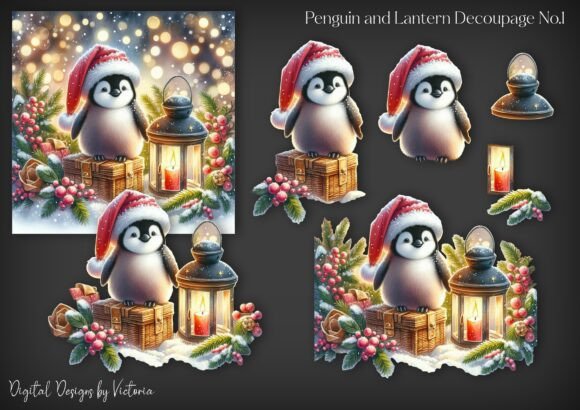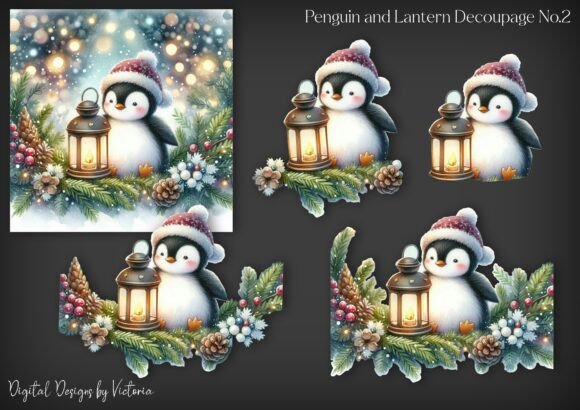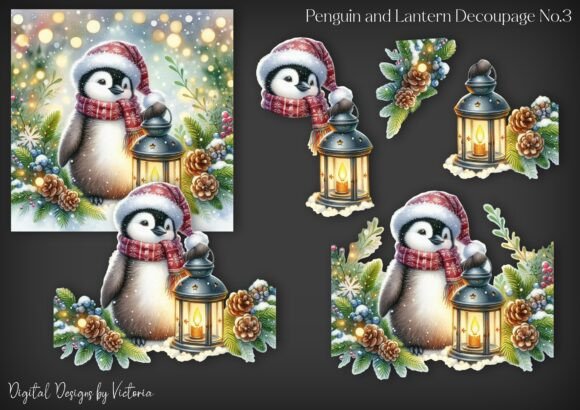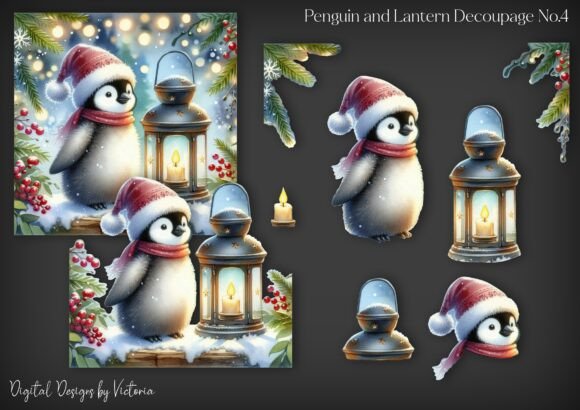
Penguin and Lantern Decoupage No.4: A Designer’s Review
As an embroidery designer who has spent years digitizing patterns and troubleshooting stitch-outs for clients, I approach every new machine embroidery design with a mix of curiosity and caution. We have all seen those overly complex files that look stunning on a screen but turn into a tangled mess of thread breaks and puckering on actual fabric. When I first loaded Penguin and Lantern Decoupage No.4 into my software, my initial reaction was one of pleasant surprise. The layout felt balanced, the theme was whimsical without being childish, and the potential for commercial application seemed high.
This isn’t just another cute animal motif. The inclusion of the lantern element adds a layer of warmth and narrative that elevates the piece from simple decoration to a storytelling asset. For those of us in the Crafts industry, finding designs that bridge the gap between playful and sophisticated is rare. Let’s dive into how this design performs in real-world scenarios, from the hoop to the final sale.
First Impressions and Visual Personality
The mood created by Penguin and Lantern Decoupage No.4 is cozy and inviting. It evokes winter evenings, holiday gatherings, and quiet moments of reflection. Visually, the penguin serves as the anchor, likely utilizing a combination of fill stitch for the body to create texture and satin stitch for finer details like the beak or eyes. The lantern introduces a different dynamic, potentially requiring careful attention to stitch density to ensure the light effect doesn’t become too heavy or bulky.
For an Etsy seller or small shop owner, visual personality is everything. This design doesn’t scream for attention; it invites it. It fits naturally into collections focused on winter wellness, holiday decor, or nursery themes. The decoupage style suggests a layered look, which can be achieved through smart color blocking or actual applique techniques if the file supports it. If you are using this as a standard embroidery file, pay close attention to how the colors transition. A poor choice of thread colors can flatten the image, so testing contrast is essential before committing to a final product.
Real-World Application: From Hoop to Hand
To truly evaluate a design, you have to imagine it stitched out. I recently considered using Penguin and Lantern Decoupage No.4 for a custom order involving a set of heavyweight cotton tote bags. The client wanted something unique for a winter market stall. Here is how I broke down the usability:
- Sweatshirt Embroidery: This design would shine on the left chest of a crewneck sweatshirt. The compact nature of the penguin and lantern combo means it won’t distort the fabric if placed correctly. It offers a subtle branding opportunity for boutique clothing lines.
- Baby Embroidery: Soft pastels or classic navy and white threads would make this perfect for baby blankets or onesies. However, always check the stitch density. Babies have sensitive skin, so ensuring there are no scratchy satin stitch borders touching the neck area is crucial.
- Embroidered Patch: If you are creating iron-on or sew-on patches, this design is ideal. The defined edges of the lantern and the rounded shape of the penguin allow for clean cutting. Use a sturdy stabilizer and consider a merrowed edge if your machine allows, or a tight zigzag finish.
- Holiday Embroidery: This is a natural fit for Christmas or winter solstice products. Think kitchen towels, pillow covers, or even aprons. The lantern element ties directly into themes of light and warmth during the darker months.
When preparing a personalized gift, such as a monogrammed towel, placing this design above or below a name requires careful spacing. The verticality of the lantern might compete with tall lettering, so horizontal layouts or stacked text boxes need to be mocked up digitally first.
Technical Considerations and Fabric Choices
Not every fabric behaves the same way, and Penguin and Lantern Decoupage No.4 requires thoughtful material selection. While it is versatile, there are areas where caution is needed.
Textured Fabrics: If you are stitching on terry cloth or thick fleece, the finer details of the lantern might get lost. In these cases, increasing the stitch count slightly or using a higher contrast thread can help maintain clarity. Always use a cut-away stabilizer for stretchy fabrics like sweatshirt fleece to prevent distortion after washing.
Dark Fabric: Stitching on black or navy requires precision. If the design includes light-colored threads for the lantern glow, ensure your tension is perfect. Loose stitches on dark fabric show gaps easily. I recommend running a test on scrap fabric of the exact same weight and weave before starting the final embroidery project.
Curved Surfaces: Using this on caps or hats is possible but tricky. The curved surface of a cap can distort wide designs. Since this design is relatively compact, it should work well on the front panel of a dad hat or beanie, provided you use a stiff stabilizer to support the fabric during stitching.
Commercial Value and Brand Consistency
For commercial embroidery professionals, the value of a design lies in its repeatability and customer appeal. Penguin and Lantern Decoupage No.4 has high "giftability." It feels special, not mass-produced. When customers see a well-executed version of this design, they perceive higher quality. This builds trust in your brand.
If you are a digital embroidery file seller, this design could be a strong addition to a winter collection. Ensure you provide clear instructions on recommended hoop sizes and thread charts. Buyers appreciate transparency. If the design includes an applique design component, clearly state what materials are needed for the backing fabric.
Remember, your finished product is only as good as your preparation. Check the license terms before selling items made with this design. Most designers allow physical sales but restrict digital redistribution. Respecting these terms protects the creative community and ensures you can continue to access high-quality design assets.
Final Designer Notes
Before you hit start on your machine, take these practical steps:
- Test on Scrap: Never skip this. Check for thread breaks and registration issues.
- Check Contrast: View your mockup in black and white. If the lantern disappears against the penguin, adjust your thread palette.
- Verify Hoop Size: Ensure the design fits comfortably within your hoop with room for stabilization.
- Inspect Small Details: Zoom in on the digitizing. Are there unnecessary jumps? Is the underlay sufficient?
Penguin and Lantern Decoupage No.4 is a charming, versatile addition to any designer’s library. With proper technique and attention to detail, it can elevate your handmade product line and delight your customers. Whether you are creating a single custom apparel piece for a friend or stocking your small shop product inventory for the holidays, this design offers the warmth and professionalism that buyers are looking for.