Fish in Christmas Hat: A Designer’s Practical Review
As an embroidery designer who has spent years digitizing and testing thousands of motifs, I approach every new machine embroidery design with a critical eye. It is not enough for a graphic to look cute on a screen; it must translate flawlessly into thread and fabric. Recently, I evaluated the Fish in Christmas Hat design to determine its viability for real-world commercial and personal projects. This is not just a holiday novelty; it is a specific test case for how whimsical aquatic themes interact with traditional winter aesthetics in a stitched format.
First Impressions and Visual Personality
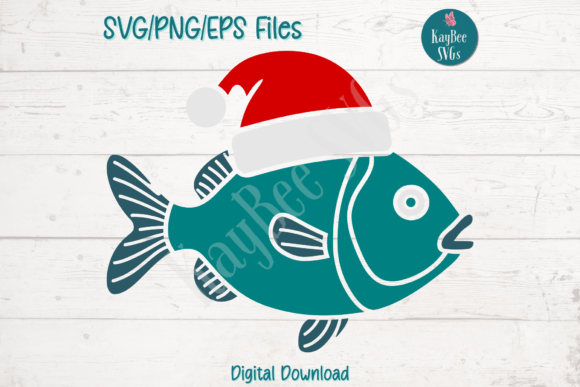
The initial appeal of Fish in Christmas Hat lies in its unexpected juxtaposition. Combining a marine creature with a festive knit cap creates an immediate sense of humor and warmth. From a design perspective, the silhouette is crucial. The roundness of the fish body contrasts nicely with the triangular or pom-pom-topped shape of the hat, creating a balanced composition that draws the eye without feeling cluttered.
The mood is playful yet cozy. It avoids the overly saccharine tone of some holiday graphics, offering instead a quirky charm that appeals to a broad demographic. For a crafts enthusiast or a boutique owner, this visual personality is valuable because it stands out in a sea of standard snowflakes and reindeer. The layout suggests a central focus, meaning it works best when given space to breathe on the garment or item.
Real-World Application: The Tote Bag Test
To truly understand the utility of this embroidery file, I visualized it on a heavy canvas tote bag. This is a common product for Etsy sellers and small shop owners during the holiday rush. The Fish in Christmas Hat motif, when scaled correctly, serves as an excellent focal point for a gift-ready accessory.
In this scenario, the design’s clarity is paramount. Canvas has a visible weave, so any overly fine details might get lost. However, the bold shapes inherent in this design suggest it would hold up well. The contrast between the bright red or green of the hat and the neutral tone of the canvas creates high visibility. For a handmade product intended as a personalized gift, this level of recognition ensures the recipient immediately grasps the theme. It transforms a simple bag into a conversation piece, enhancing the perceived value of the finished product.
Apparel and Custom Wearables
Beyond accessories, this design shines in custom apparel. Imagine it stitched onto the left chest of a navy blue sweatshirt or the back of a child’s hoodie. The sweatshirt embroidery market thrives on unique, non-traditional holiday icons. A fish wearing a hat is memorable. It appeals to those who love the ocean but still want to participate in seasonal festivities.
When considering baby embroidery, such as on a onesie or burp cloth, the softness of the subject matter fits perfectly. However, one must be cautious with scale. On small garments, the design must be reduced without losing the definition of the hat’s trim or the fish’s eye. This requires checking the stitch density carefully to ensure the fabric does not pucker.
Technical Considerations for Stitching Success
While the aesthetic is strong, the technical execution determines whether the project succeeds or fails. Here are the critical factors I noted while evaluating Fish in Christmas Hat for production.
- Fabric Texture and Stability: This design likely utilizes a mix of fill stitch for the body and satin stitch for the hat’s brim or pom-pom. On textured fabrics like terry cloth towels or fuzzy fleece, the satin edges may sink. Using a cut-away stabilizer is essential to maintain shape integrity.
- Thread Color Contrast: The success of this design hinges on color choice. If the fish and the hat are similar in value, the image will look muddy. I recommend testing high-contrast combinations, such as a teal fish with a bright red hat, to ensure the elements remain distinct.
- Hoop Size Constraints: Before committing to a large run, confirm the maximum dimensions of the embroidery project. If the design is intended for a embroidered patch, it must fit within a 4x4 inch hoop comfortably. Always check the specific file specifications provided by the creator.
- Curved Surfaces: Applying this to caps or hats requires careful hooping. The rounded nature of the fish makes it suitable for curved surfaces, but the hat’s details must align correctly with the cap’s seam to avoid distortion.
Commercial Viability and Brand Consistency
For commercial embroidery professionals and digital product sellers, consistency is key. Does Fish in Christmas Hat fit your brand? If your shop specializes in nautical themes, this is a perfect seasonal extension. If you focus on traditional rustic decor, it might feel out of place. Understanding your audience helps determine if this design asset will drive sales.
Buyer engagement often increases with unique imagery. A printable mockup featuring this design can help customers visualize the final item, reducing hesitation. Whether used for kitchen towels, pillow covers, or boutique merchandise, the design’s quirky nature encourages social sharing, which is vital for small business growth.
Where to Use Caution
Not every application is ideal. Avoid using this design on very thin, stretchy fabrics like silk or lightweight jersey without extensive stabilization, as the density may cause warping. Additionally, if the design includes tiny text or intricate scales, these details may not survive frequent washing on items like tote bag design prototypes or daily-wear custom apparel. Always wash-test a sample piece to ensure thread durability and fabric stability.
Final Designer Notes
Before launching any product featuring Fish in Christmas Hat, take these practical steps:
- Test on Scrap Fabric: Never stitch directly on the final garment. Use a similar material to check tension and registration.
- Check Licensing: Confirm whether the digital embroidery file allows for commercial use. Most designers permit selling finished physical items, but reselling the digital file itself is usually prohibited.
- Review Stitch Count: High stitch counts increase production time and thread cost. Ensure the pricing of your small shop product reflects the labor involved.
- Mockup in Black and White: This helps identify if the design relies too heavily on color for definition. A good design should have clear form even without color.
In conclusion, Fish in Christmas Hat is a charming, versatile addition to any holiday collection. It bridges the gap between niche nautical interests and broad seasonal appeal. With proper attention to stabilizer choice, thread contrast, and fabric selection, it can elevate a simple embroidery project into a standout handmade product. For designers and makers looking to add a touch of whimsy to their Crafts portfolio, this design offers both creative joy and commercial potential.