Watercolor Stork Clipart for Crafts & Branding
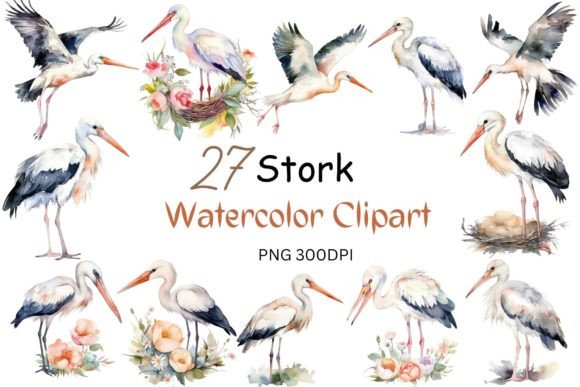
As a brand designer who has spent years refining visual identities for lifestyle businesses, I approach every new graphic design asset with a critical eye. It is not enough for an image to be pretty; it must perform. When I first loaded the Watercolor Stork Clipart into my design workspace, my immediate impression was one of softness and intentionality. The brushstrokes are deliberate yet fluid, capturing that elusive handmade aesthetic that modern consumers crave. This is not just a generic icon; it is a piece of creative design that carries emotional weight.
In the context of Crafts and small business branding, mood is everything. This illustration exudes a gentle, nurturing tone. It feels organic, warm, and approachable. For brands operating in the baby niche, maternity services, or handmade goods, this visual language builds immediate audience trust. It signals that the brand values care and artistry over cold, corporate efficiency. However, does it hold up under the scrutiny of a real marketing campaign? Let us break down its performance.
Integrating the Asset into Real Marketing Workflows
I recently worked with a boutique stationery shop launching a new line of birth announcement cards. They needed visuals that felt premium but personal. We tested the Watercolor Stork Clipart across several touchpoints. In packaging design, the asset served as a subtle accent on the tissue paper seal, adding a layer of unboxing delight without overpowering the logo. On social media, we used it as a focal point for Instagram posts announcing the launch. The soft edges of the watercolor blended seamlessly with pastel backgrounds, creating a cohesive feed that stopped the scroll.
For content creators and digital sellers, this type of digital product is invaluable. It transforms a standard Canva template into something unique. Whether you are designing Pinterest pins for a parenting blog or creating Facebook ads for a baby shower service, the stork illustration provides a strong visual anchor. It helps establish a clear visual hierarchy, guiding the viewer’s eye from the emotive image to the call-to-action text. This is crucial for improving engagement and ensuring your marketing visuals do not look cluttered.
Strategic Applications for Brand Identity
Beyond social media, this asset shines in editorial design and web elements. Imagine using it as a decorative header on a blog post about newborn care. It breaks up the text and adds personality. For email banners, the transparent background of the PNG file allows for flexible placement over various colored sections, maintaining professional branding consistency. It also works exceptionally well in product label design for organic baby lotions or handmade soaps, where the artisanal feel of the watercolor complements the natural ingredients.
If you are building a design bundle for clients, including this stork illustration adds significant value. It appeals to a specific demographic—expectant parents, family photographers, and event planners. By incorporating such high-quality clipart, you elevate the perceived value of your printable design offerings. It suggests that you have curated your resources carefully, which reflects positively on your own brand identity.
Where This Design Asset Excels
- Hero Graphics: Use it prominently on landing pages for baby-related services to create an instant emotional connection.
- Packaging Accents: Perfect for stickers, tags, and box inserts that require a touch of elegance.
- Social Media Covers: Its horizontal adaptability makes it suitable for Facebook headers or YouTube channel art when paired with minimal text.
- Event Flyers: Ideal for baby showers or gender reveal parties where a soft, celebratory tone is required.
The key to its success lies in its versatility as a modern design element. It does not feel dated or overly cartoonish. Instead, it aligns with current trends in creative marketplace aesthetics, where authenticity and handcrafted details are prized. This makes it a powerful tool for content marketing strategies that rely on visual storytelling.
Limitations and Careful Usage
While versatile, this asset is not a universal solution. As a designer, I advise caution when using it in formal corporate branding or dense information layouts. The soft edges can lose definition against busy backgrounds, leading to readability issues. It should be avoided in digital ads that are heavily text-based, as the illustration may compete with the message rather than support it. Additionally, for very small mobile graphics, ensure the details remain visible. If the stork becomes a blur, it fails to communicate effectively.
Avoid using it on low-contrast backgrounds. Watercolor textures thrive on white or light neutral spaces. Placing it on dark or vibrant colors may require additional editing to ensure the subject stands out. For overly minimal brands that rely on stark geometry, this organic shape might feel out of place unless used sparingly as a singular accent.
Practical Designer Notes for Implementation
Before committing to a full campaign, test the Watercolor Stork Clipart against your existing brand color palette. Does it harmonize or clash? Check its appearance in black and white to ensure it retains its form without color reliance. Place it inside real campaign mockups to gauge scale and balance. Preview your designs on mobile screens, as most users will encounter your social media graphics there.
Typography pairing is critical. This illustration pairs beautifully with elegant serif fonts for a classic look, or clean sans serif fonts for a contemporary feel. Avoid overly decorative script fonts that might compete with the fluidity of the watercolor. Always review spacing and balance to ensure the design breathes. Finally, confirm the commercial license terms. Ensure you are cleared to use this SVG design or PNG design in paid campaigns, client work, and for resale in digital product formats. Proper licensing protects your business and respects the creator’s rights.
In conclusion, this illustration is more than just a decorative element. It is a strategic tool for small business branding that can enhance professional branding efforts when used with intention. By understanding its strengths and limitations, you can leverage this asset to create memorable, emotionally resonant campaigns that connect deeply with your audience.