Teddy Bear with Blue Balloons: A Designer’s Review
As an embroidery designer who has spent years digitizing and testing files for real-world application, I approach every new machine embroidery design with a mix of curiosity and caution. We have all seen those digital previews that look flawless on a white screen but turn into a tangled mess of thread breaks and puckering once they hit the fabric. That is why I took a close look at Teddy Bear with Blue Balloons Baby Invit. This piece falls under the category of Print Templates, but its utility extends far beyond simple printing, offering a charming aesthetic that translates beautifully into stitched art when handled correctly.
First Impressions and Visual Mood
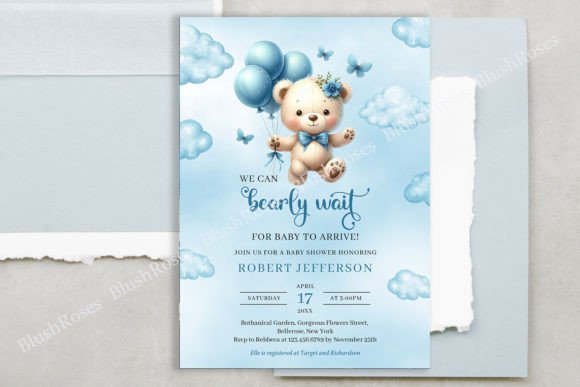
The first thing that strikes you about this design is its inherent softness. The central figure, a teddy bear, is rendered with a gentle, approachable silhouette that immediately signals "comfort" and "celebration." The addition of blue balloons adds a vertical element that draws the eye upward, creating a sense of lightness and joy. For a designer, the layout is crucial. Here, the balance between the solid mass of the bear and the airy nature of the balloons suggests a thoughtful composition. It does not feel cluttered. The visual personality is distinctly nursery-friendly, making it an ideal candidate for baby showers, gender reveals, or first birthday celebrations.
However, a pretty picture is not enough. We need to consider how these shapes translate into satin stitch and fill stitch territories. The curves of the balloons suggest smooth satin columns, which can be tricky on curved surfaces, while the bear’s body likely requires a dense fill to maintain shape integrity. This duality makes the design interesting but demands respect during the hooping process.
Real-World Application: From Screen to Stitch
To truly evaluate Teddy Bear with Blue Balloons Baby Invit, I imagined placing it on a custom embroidered tote bag for a boutique baby shop. Tote bags are popular among Etsy sellers and craft business owners because they offer a large, flat canvas. On a sturdy cotton canvas, the design would pop. The blue of the balloons would contrast nicely against natural beige or crisp white fabric, creating a high-end, handmade look that customers love.
Another strong contender for this design is sweatshirt embroidery. A pastel pink or mint green hoodie featuring this teddy bear would make a fantastic personalized gift. The key here is the stitch density. If the digitizer has optimized the fill stitches properly, the design will sit flat without causing the heavy fleece to pucker. For small shop product lines, consistency is key. Using this design across a range of items—such as aprons, pillow covers, and even kitchen towels—can help build a cohesive brand identity centered around warmth and family.
I also considered its use in embroidered patch creation. Patches are trending, and a well-stitched teddy bear with balloons could be a hit at craft fairs. However, patches require tight edges and often a border stitch to prevent fraying. If the original file includes a clean running stitch border or if you add one during editing, this design could become a staple in your design assets library.
Navigating Technical Challenges
While the design is charming, it is not without its pitfalls. Experienced embroiderers know that certain elements require careful handling. The balloons, being round and potentially filled with satin stitching, can be problematic on stretchy fabrics. If you are working on a baby onesie or a thin jersey knit, the pull of the satin stitches might distort the fabric. In these cases, using a high-quality cut-away stabilizer is non-negotiable. Do not skimp on stabilization, especially for baby embroidery items that will undergo frequent washing.
Additionally, consider the hoop size. While the design may fit in a standard 4x4 or 5x7 hoop, ensure that the balloons do not extend too close to the edge. Hitting the hoop frame is a common disaster that ruins both the thread and the garment. Always measure twice. Furthermore, if you are stitching on dark fabric, you must check the thread colors. The blue balloons need to stand out. If the blue is too similar to navy denim or black cotton, the detail will be lost. In such scenarios, consider adding a white underlay or choosing a lighter shade of blue to ensure visibility.
Textured fabrics present another challenge. If you are stitching this onto a terry cloth towel or a fuzzy blanket, the fine details of the teddy bear’s face might get lost in the pile. For these projects, simpler is often better. You might need to simplify the design or increase the stitch length slightly to allow the texture of the fabric to show through without compromising the image clarity.
Enhancing Product Value and Brand Trust
From a business perspective, the quality of your embroidery file directly impacts customer trust. A cleanly stitched Teddy Bear with Blue Balloons Baby Invit signals professionalism. It tells the buyer that you care about the details. This attention to detail enhances the perceived value of your handmade product. Whether you are selling custom apparel or holiday embroidery gifts, the finish matters. Loose threads, uneven tension, or puckered fabric can detract from even the cutest design.
For digital embroidery file sellers, providing mockups that show the design on various backgrounds is essential. Use printable mockup tools to visualize how the design looks on different materials. This helps potential buyers understand the versatility of the asset. Remember, many buyers are looking for designs that work for both personal and commercial projects. Always clarify the licensing terms. If you are unsure whether this specific file allows for commercial use, check the documentation provided by the creator before listing finished items for sale.
Practical Notes for the Embroiderer
Before committing to a final project, always test the design on scrap fabric similar to your final material. This step saves time, money, and frustration. Check the stitch sequence to ensure there are no unnecessary jumps that could cause thread nests. Inspect small details, such as the bear’s eyes or the knot of the balloon strings, to ensure they are secure and not prone to unraveling.
Compare the design on both light and dark fabric backgrounds. Sometimes, a design that looks perfect on white may disappear on gray. Adjust your thread palette accordingly. If you are new to this design, start with a simple project like a tea towel before moving to complex garments like caps or layered jackets. Caps, in particular, require specialized techniques due to their curved surface, and the round balloons in this design might distort if not stabilized correctly with a stiff backing.
In conclusion, Teddy Bear with Blue Balloons Baby Invit is a versatile and emotionally resonant design that fits well within the Print Templates and embroidery niche. It offers a sweet aesthetic that appeals to a wide audience, from new parents to gift-givers. By respecting the technical requirements of satin and fill stitches, choosing the right stabilizer, and testing on appropriate fabrics, you can transform this digital asset into a stunning physical product. Whether you are an Etsy seller looking to expand your nursery decor line or a hobbyist making a special gift, this design holds significant potential when approached with a designer’s eye for detail and practicality.