Reviewing Family Clipart Sublimation for Embroidery
As a designer who spends half my life staring at digitized files and the other half watching needles punch through fabric, I have learned to be skeptical of clipart. Most digital assets look fantastic on a screen but fall apart under the mechanical reality of an embroidery machine. When I first pulled up Family Clipart Sublimation, my initial reaction was cautious curiosity. The visual language suggested warmth and connection, themes that sell well in the Crafts category, but the real question was always going to be translation. How does this graphic hold up when converted from pixels to thread?
First Impressions and Visual Personality
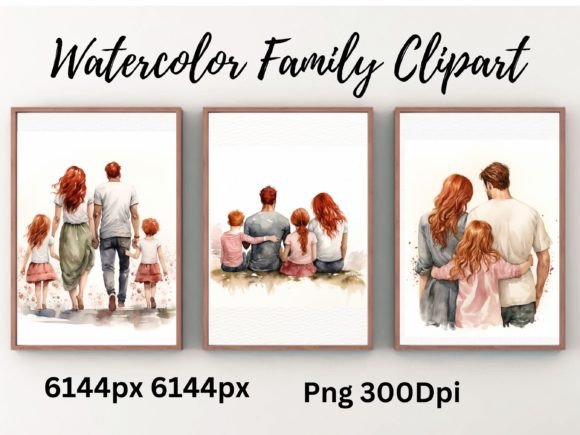
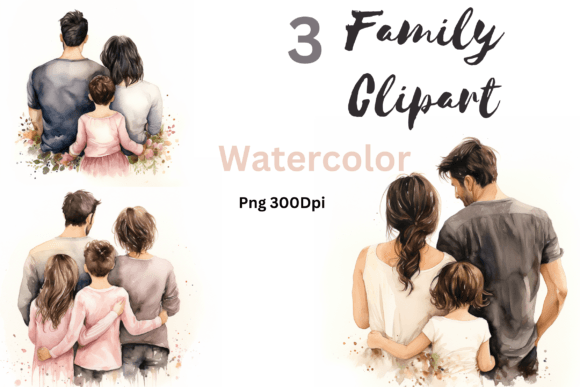
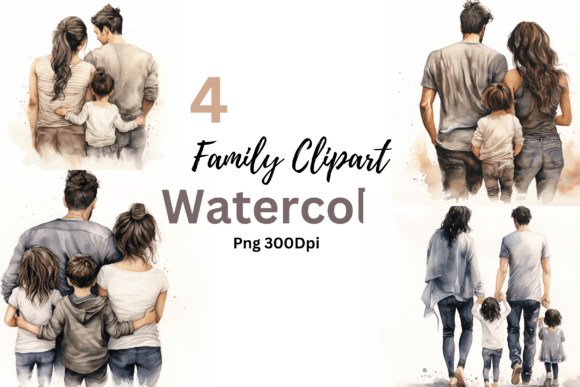
The design carries a distinct mood. It is not overly intricate, which is often a blessing in disguise for embroidery. Complex illustrations with tiny details tend to become muddy blobs once stitched out, especially on textured fabrics. This particular asset features clean lines and recognizable shapes that suggest a strong foundation for digitizing. The layout feels balanced, avoiding the common pitfall of having elements that are too far apart, which can cause registration issues or require excessive jumping.
For those of us creating handmade products, the visual personality of a design dictates its market. This piece feels approachable and sentimental without being cloying. It fits naturally into the narrative of modern family life, making it a strong candidate for personalized gifts. However, as a reviewer, I look past the sentiment to the structure. The spacing between elements appears sufficient to allow for proper stitch coverage without causing fabric puckering, a critical consideration for any serious embroidery project.
Real-World Application: The Custom Tote Test
To truly evaluate Family Clipart Sublimation, I imagined a specific client request: a set of matching tote bags for a family reunion. This is a classic scenario for Etsy sellers and small shop owners. The goal is durability, washability, and immediate visual impact.
If I were to use this design on a canvas tote, the scale would be crucial. A medium to large hoop size would likely be necessary to capture the full essence of the artwork without shrinking it down to illegibility. On a sturdy cotton canvas, the design would benefit from a combination of satin stitch borders for definition and fill stitch areas for body. The result would be a tactile, high-value item that feels substantial in the hand. Customers often equate stitch density with quality, so ensuring the design has enough coverage to look professional is key.
Beyond totes, this asset shines in custom apparel. Imagine it centered on the chest of a heather grey sweatshirt. The soft texture of fleece provides a forgiving background for embroidery, allowing the threads to sink in slightly for a premium look. For baby embroidery, such as on a onesie or burp cloth, the design would need to be simplified. Tiny details might get lost on small garments, so focusing on the core silhouette rather than minute internal lines would ensure clarity.
Navigating Fabric and Technical Challenges
While the design is versatile, it is not without its technical demands. One must consider where Family Clipart Sublimation might struggle. Textured fabrics like terry cloth or heavy knits can obscure fine lines. If the original clipart contains thin outlines, they may disappear into the pile of a towel or blanket. In such cases, increasing the stroke width during the digitizing phase is essential.
Dark fabrics present another challenge. If you are stitching on navy or black material, you cannot rely on the fabric color to define edges. You must use contrasting thread colors effectively. A light-colored thread on dark fabric highlights every imperfection in tension and registration. Therefore, testing on scrap fabric is non-negotiable. I always recommend running a test stitch-out to check for stitch density issues. If the design is too dense, it will stiffen the fabric; if too sparse, the background will show through, looking cheap and unfinished.
Curved surfaces, such as caps or hats, require careful placement. The center front panel of a cap is narrow. If the design is wide, it may wrap around the curve, distorting the perspective. For embroidered patch creation, however, this design could work beautifully. Patches allow for stabilizer backing that supports dense stitching, resulting in a crisp, durable product that can be ironed or sewn onto various items later.
Commercial Viability and Brand Consistency
For craft business owners, consistency is brand currency. Using a cohesive set of designs helps build recognition. Family Clipart Sublimation offers a style that can be adapted across multiple product lines, from holiday embroidery on ornaments to year-round tote bag design options. This versatility increases the return on investment for the digital asset.
When creating printable mockup images for your online store, ensure the digital representation matches the physical reality. Over-saturated mockups can lead to customer disappointment. The charm of embroidery lies in its texture. Highlighting the sheen of rayon or polyester thread in your product photos can enhance perceived value. Buyers of personalized gift items are often looking for something that feels made with care, not mass-produced. The slight irregularities and tactile nature of embroidery convey this human touch effectively.
Practical Designer Notes for Best Results
Before committing to a full production run or listing a new item, consider these practical steps:
- Check Licensing: Always confirm whether the digital embroidery file or source clipart allows for commercial use. Rules vary by creator, and protecting your small shop product integrity is vital.
- Stabilizer Selection: Use a cut-away stabilizer for stretchy fabrics like t-shirts to prevent distortion over time. For woven fabrics like aprons, a tear-away may suffice, but test first.
- Thread Contrast: View your design in black and white. If the elements blend together without color, the design lacks structural clarity. Adjust stitch types or add underlay stitches to improve definition.
- Hoop Size Verification: Ensure your machine’s maximum hoop size accommodates the design. Resizing significantly can alter stitch density, potentially causing thread breaks or fabric bunching.
- Wash Testing: Embroidered items, especially sweatshirt embroidery or baby items, undergo frequent washing. Test for thread bleeding and fabric shrinkage to ensure the finished product remains pristine.
In conclusion, Family Clipart Sublimation is a promising asset for designers who understand the nuances of thread and fabric. It is not a plug-and-play solution for every scenario, but with thoughtful digitizing and material selection, it can elevate a range of products. Whether you are an Etsy seller looking to expand your catalog or a hobbyist making gifts for loved ones, treating this design with professional respect will yield results that customers appreciate and trust. The difference between a good product and a great one often lies in these small, observant details.