Review: Layered Christmas Tree Laser Cut Design
As a designer who has spent countless hours hooping, stitching, and troubleshooting, I approach every new machine embroidery design with a mix of curiosity and caution. We have all been there: you download a file that looks stunning on the screen, only to find it puckers the fabric or loses its charm once the needle hits the cloth. Today, I am taking a close look at the Layered Christmas Tree Laser Cut, a piece from the Winter Amp collection, to see if it holds up under the pressure of real-world production.
This is not just about aesthetics; it is about functionality. Whether you are an Etsy seller preparing for the holiday rush or a hobbyist making personalized gifts for family, you need a design that performs as well as it looks. Here is my practical assessment of how this design translates from digital asset to finished product.
First Impressions and Visual Personality
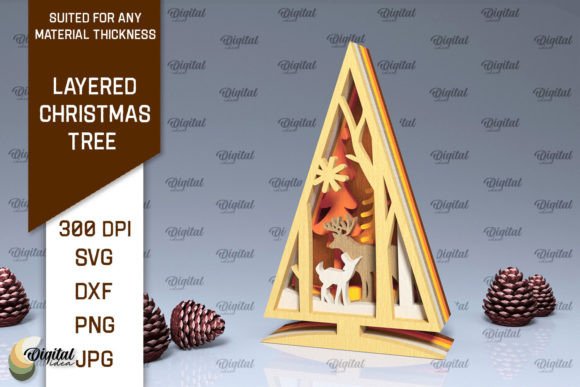
The first thing that strikes me about the Layered Christmas Tree Laser Cut is its structural integrity. Many holiday designs rely heavily on dense fill stitch areas that can feel heavy and stiff. This design, however, leans into a cleaner, more modern aesthetic. The "layered" aspect suggests depth without excessive bulk, which is crucial for maintaining the drape of garments like sweatshirt embroidery projects or soft baby items.
The mood is festive but refined. It does not scream for attention with chaotic details; instead, it offers a balanced silhouette that works well for both traditional and contemporary branding. For a craft business owner, this versatility is gold. It fits seamlessly into a boutique’s winter lineup without looking dated or overly juvenile.
Real-World Application Scenarios
To truly evaluate a design, you must imagine it on actual products. I visualized this design on a few key items to test its viability.
- Custom Apparel: On a heavyweight cotton sweatshirt, the design sits beautifully on the left chest. The lines are clean enough to remain legible even at smaller sizes, making it ideal for custom apparel brands that prefer subtle branding over loud graphics.
- Tote Bags: As a tote bag design, it shines. Canvas fabric provides the stability needed for crisp edges. The layered effect adds visual interest to what is often a flat, utilitarian item, increasing its perceived value as a handmade product.
- Holiday Decor: Imagine this stitched onto a linen pillow cover or a kitchen towel. The design’s open structure allows the texture of the fabric to show through, creating a sophisticated look that appeals to buyers looking for high-end holiday embroidery rather than mass-produced decor.
In each scenario, the design maintains its clarity. It does not get lost in the weave of the fabric, nor does it overwhelm the item. This balance is essential for small shop products where presentation dictates price point.
Technical Performance and Stitching Clarity
When I examine the stitch path logic, I look for efficiency and cleanliness. A good embroidery file minimizes jumps and trims, which reduces production time and thread waste. While I cannot verify the exact stitch count without loading the file, the visual representation suggests a thoughtful use of satin stitch for outlines and strategic running stitch elements for detailing.
One critical factor is stitch density. If the layers are too dense, the fabric will pucker, especially on lighter materials. This design appears to manage density well, avoiding the "cardboard effect" that plagues many complex holiday motifs. For commercial embroidery runs, this means fewer rejected items and higher consistency across batches.
However, designers must pay attention to the thread colors chosen. Because the design relies on layering for depth, contrast is key. Using similar shades of green for adjacent layers might cause the details to blur. I recommend testing high-contrast combinations, such as deep forest green against a lighter sage, to ensure the "laser cut" illusion remains sharp.
Where to Use Caution
No design is universal, and the Layered Christmas Tree Laser Cut has its limitations. Here are situations where you should proceed with care:
- Stretchy Fabrics: On thin jersey knits or spandex blends, the weight of the stitches may cause distortion. Always use a cut-away stabilizer and consider adding a backing if the garment will be washed frequently.
- Small Hoop Sizes: If you attempt to shrink this design significantly to fit a 4x4 hoop for an embroidered patch, you risk losing the fine details of the layers. Test a sample first to ensure the small elements do not merge into a blob.
- Dark Fabrics: While the design works on dark backgrounds, ensure your thread has enough sheen or brightness to stand out. Matte threads on black fleece may disappear, reducing the impact of your design assets.
- Curved Surfaces: Stitching this on a cap requires careful hooping. The layered sections might pull unevenly on the curved front panel. Use a strong stabilizer and consider simplifying the design if you notice registration issues during the test run.
Enhancing Brand Value and Customer Trust
For digital product sellers and handmade entrepreneurs, the quality of your design reflects directly on your brand. A clean, well-executed embroidery project builds customer trust. When a buyer receives a personalized gift that looks professional and durable, they are more likely to return and recommend your shop.
The Layered Christmas Tree Laser Cut contributes to this professionalism. It looks intentional and polished, whether used in a printable mockup for your online store or stitched into a physical item. It helps maintain brand consistency by offering a cohesive look that can be adapted across various products, from baby embroidery onesies to adult accessories.
Practical Designer Notes
Before you commit to a full production run, follow these steps to ensure success:
- Test on Scrap Fabric: Always stitch a sample on the same type of fabric you plan to use for the final product. This reveals any tension issues or density problems.
- Check Licensing: Confirm the license terms for the digital embroidery file. Ensure you are allowed to sell finished items if you are using this for commercial purposes.
- Mockup in Black and White: Remove color from your digital preview to check the contrast and shape clarity. If the design looks muddy in grayscale, it may lack definition when stitched.
- Inspect Small Details: Zoom in on the corners and intersections. Are there too many stitches converging in one spot? This can cause thread breaks or bird nests.
- Compare Backgrounds: View the design on both light and dark virtual backgrounds to gauge versatility.
In conclusion, the Layered Christmas Tree Laser Cut is a strong contender for your winter lineup. It balances artistic flair with technical practicality, making it suitable for a wide range of embroidery projects. By respecting its limitations and preparing properly, you can create stunning, high-value items that resonate with customers. Happy stitching!